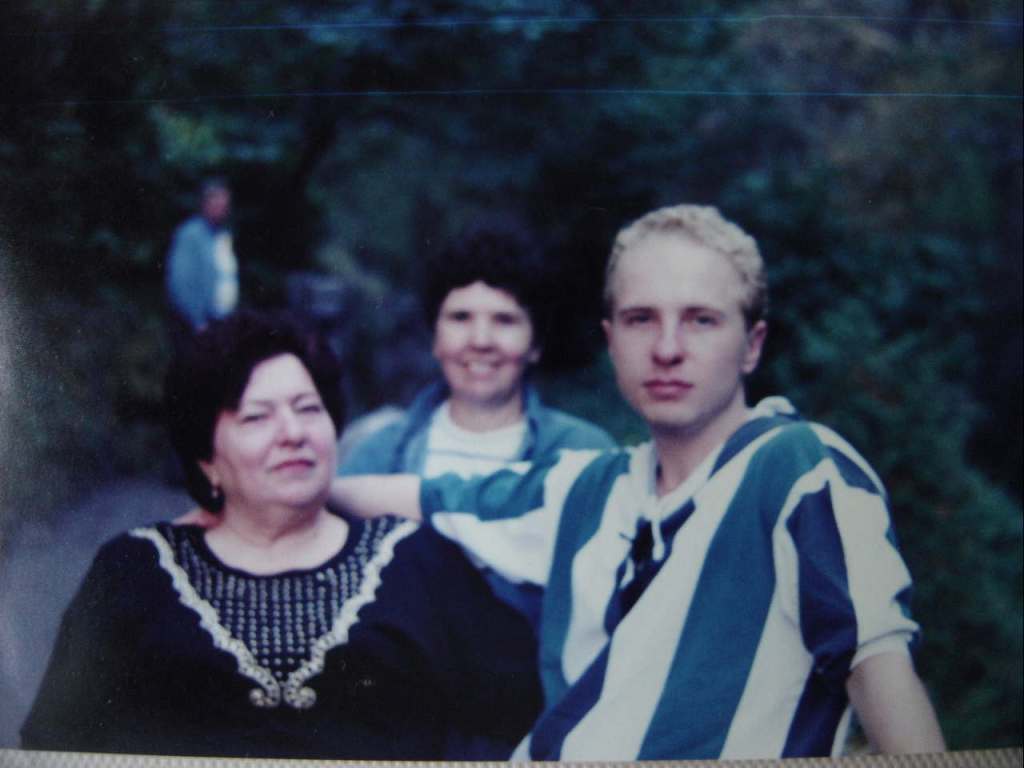
When I first began working on Always With Hope, I wasn’t just translating a story—I was reconnecting with my own roots. As someone who has lived in a different country, in a different time, and with a different set of values, I had always wondered how to make peace with the Soviet past I inherited.
Through Lyudmila’s memories, I saw the strength of a woman who lived fully in a system many considered soul-crushing. She laughed. She loved. She danced in sarafans and played pranks on roommates. She faced heartbreak and bureaucracy with the same level of determination. She reminded me that identity isn’t about erasing where we came from—it’s about making meaning out of it.
Publishing her memoir has brought unexpected healing. It allowed me to honor my mother not just as a parent, but as a whole person. It helped me understand how memory can be both a burden and a bridge. And it made space for conversations—about war, family, womanhood, and resilience—that I once avoided.
For anyone navigating identity or grief, I say this: don’t underestimate the power of a story—especially your own. Healing doesn’t always come in grand gestures. Sometimes, it comes in remembering.

 Always With Hope
Leave a comment